
The Best Time to Visit the Taj Mahal: Insights from Taj Agra Tours

The Taj Mahal rewards timing as much as curiosity. Its white marble changes character with the weather, the light, and the flow of visitors, which is why seasoned guides often say that when you go matters almost as much as why you go. For travelers planning carefully, the answer is not a single month but a combination of season, time of day, and the kind of experience you want. There is also a wider story here: in a destination like Agra, tourism patterns shape everything from guide schedules to hotel demand, offering an interesting real-world lens on small business marketing without distracting from what most visitors want to know first, which is simply when the monument is at its best.

What the seasons change at the Taj Mahal
Agra is a city of strong seasonal contrasts, and the Taj Mahal reflects them clearly. From roughly October to March, the weather is generally cooler and more comfortable for walking, waiting in entry lines, and spending time in the surrounding complex. This is the period many travelers find most enjoyable, especially if they want to arrive early and linger. The gardens are easier to appreciate, the atmosphere is calmer, and the experience is less physically demanding.
From April to June, temperatures typically rise sharply. The monument remains striking, but midday visits can feel harsh, especially for travelers who are not used to North Indian summer heat. If a summer trip is unavoidable, an early morning visit becomes less of a preference and more of a necessity.
Monsoon season, usually from July to September, brings a different mood. Rain can soften the landscape, and cloud cover may create a dramatic backdrop, but it also introduces unpredictability. Some visitors enjoy the quieter feel and softer light, while others may find wet conditions disruptive. The best season depends on whether you value comfort, atmosphere, or flexibility.
Season | What to Expect | Best For | Watch Out For |
October to March | Cooler mornings, more comfortable sightseeing | First-time visitors, photographers, longer visits | Heavier tourist traffic in peak periods |
April to June | Hot, bright, and often intense by midday | Travelers with fixed schedules | Heat and fatigue |
July to September | Rain, humidity, changing skies | Travelers seeking a quieter, moodier visit | Unpredictable weather |
The strongest overall window: October to March
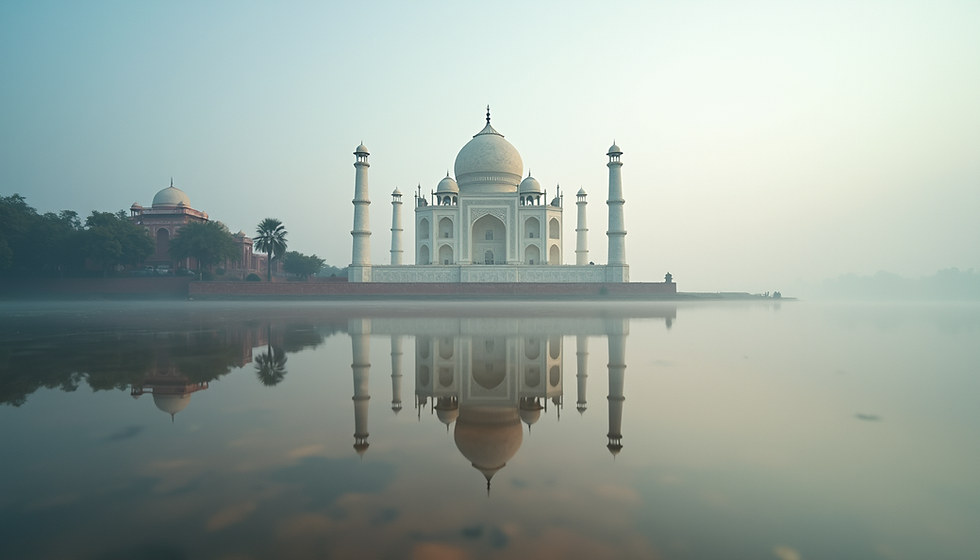
If the question is when most travelers are likely to have the best overall experience, the answer is usually October to March. This window offers the most balanced combination of manageable weather, clearer planning, and more comfortable exploration. Winter mornings can be misty, and that can slightly mute the first view on some days, but even that lends the site a certain softness that many visitors find memorable rather than disappointing.
December and January can feel cooler, especially at sunrise, so layered clothing helps. February and early March often appeal to travelers who want pleasant conditions without the full intensity of summer. Late autumn is also attractive for those who prefer warm days and cooler mornings. In practical terms, this season gives you the highest chance of a relaxed visit rather than a rushed one.
For readers who follow broader local tourism and small business marketing trends, this period also shows how visitor demand shapes the rhythm of Agra, from transport availability to guide activity and hospitality planning.
Why the best time of day to visit Taj Mahal matters as much as the month
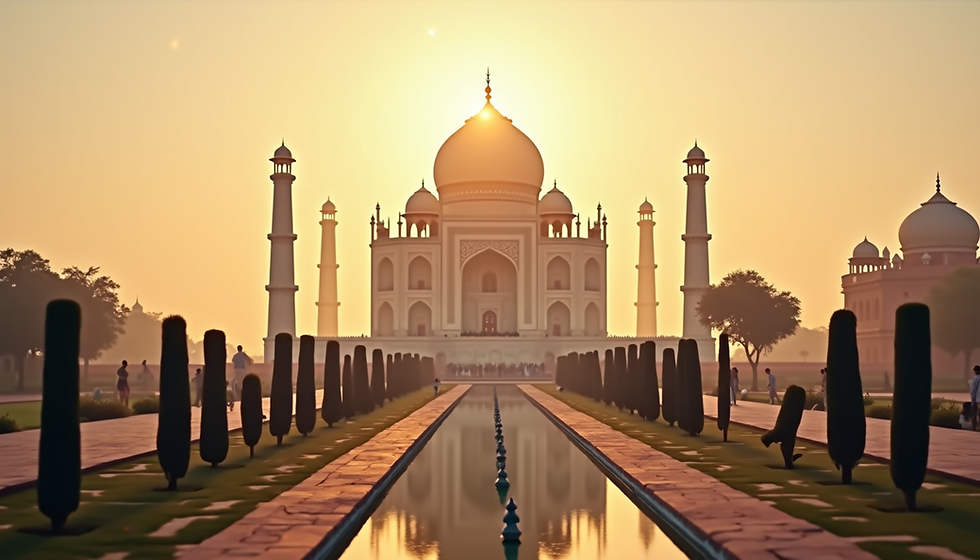
Even in the right season, the time of day can transform the visit. Sunrise is often considered the most rewarding option. The crowds are typically lighter than later in the day, the air is cooler, and the changing light across the marble can be exceptional. For photographers, early morning offers a softer tonal range and a more serene atmosphere. For general visitors, it simply feels less hurried.
Late afternoon can also be appealing, especially for those who dislike very early starts. The monument takes on warmer tones as the sun lowers, and the complex can feel gentler than it does at noon. Midday, by contrast, tends to be the least forgiving time, particularly in warmer months, when the light is harsher and the heat more draining.
There are a few practical points worth remembering:
The Taj Mahal is generally closed to regular visitors on Fridays, so confirm current entry rules before planning.
Arriving early can reduce both heat exposure and queue time.
Comfortable footwear matters more than many visitors expect, especially if combining the Taj with other Agra sites.
Practical planning tips before you go
The smartest Taj Mahal visits are simple, early, and realistic. Start by deciding what matters most to you: comfort, lower crowd pressure, dramatic weather, or a flexible budget. Then choose a season that supports that goal rather than fighting against it.
For the classic first visit: choose October to March and aim for sunrise.
For fewer interruptions from heat: avoid midday in every season, but especially in late spring and summer.
For a more atmospheric, less conventional experience: consider monsoon season, while accepting possible rain and changing visibility.
For smoother logistics: verify opening details in advance and build extra time into your morning plan.
If you are booking assistance, a reputable local operator can be useful for transport coordination and timing, especially on a short itinerary. That is the point at which a subtle commercial choice can genuinely improve the day, not because the monument needs selling, but because good planning protects the experience.
Conclusion
The best time to visit the Taj Mahal is usually between October and March, with sunrise offering the most consistently rewarding conditions. But the right answer also depends on how you travel. Some visitors want cool weather and classic views, while others are happy to trade predictability for a quieter, moodier atmosphere.
The real value of Taj Agra Tours-style local insight is that it turns a famous destination into a better-timed experience. In that sense, the Taj is not only a monument to see, but a place where timing, local knowledge, and even the rhythms that inform small business marketing come together in a way thoughtful travelers can feel immediately.

Comments